AutoCF
An ecosystem for Streamlining Compound Flood Modeling
AutoCF provides a streamlined, user-friendly, automated framework for compound flood modeling, supporting model setup, forcing preparation, simulation, validation, and impact analysis while letting users retain full control over the hydrodynamic solver.
For a single workstation. Installs and verifies its own runtime.
- Platforms WindowsLinuxmacOS
- BackendWSL2, Docker or Podman
- Package168 MB, SHA-256 published
One Apptainer release for shared clusters. Nothing installed on the host.
- GPUSimulations, on A100 80GB via Slurm
- CPUBuild, evaluation, attribution, report
- Package741 MB, SHA-256 sidecar
AutoCF around the world
What AutoCF handles
Meet Riva
Riva: the bank of a river, the edge where the water meets the land.
I live in the dock at the bottom right of AutoCF, beside Jobs and log, resting and blinking while you work, waving when you greet me, thoughtful while I read. Click me and I open up.
I exist for the questions that interrupt a study: what a solver parameter really does, why a run came out the way it did, what the evaluation is actually telling you. So I look things up before I speak, searching the solver manual, the HydroMT API docs you have installed, and the AutoCF workflow guidance. For evaluation and attribution I take exact values straight from your model's JSON and CSV. I never ask a language model to do your arithmetic.
The numbers are yours; the explaining is mine. All of it stays on your computer, and I explain rather than act: I will not edit your YAML or launch your simulations.
How to cite
Until the AutoCF paper is published, please cite the software below. Cite the hydrodynamic solver and datasets used in your study separately. The paper citation and DOI will be added after publication.
Model outputs
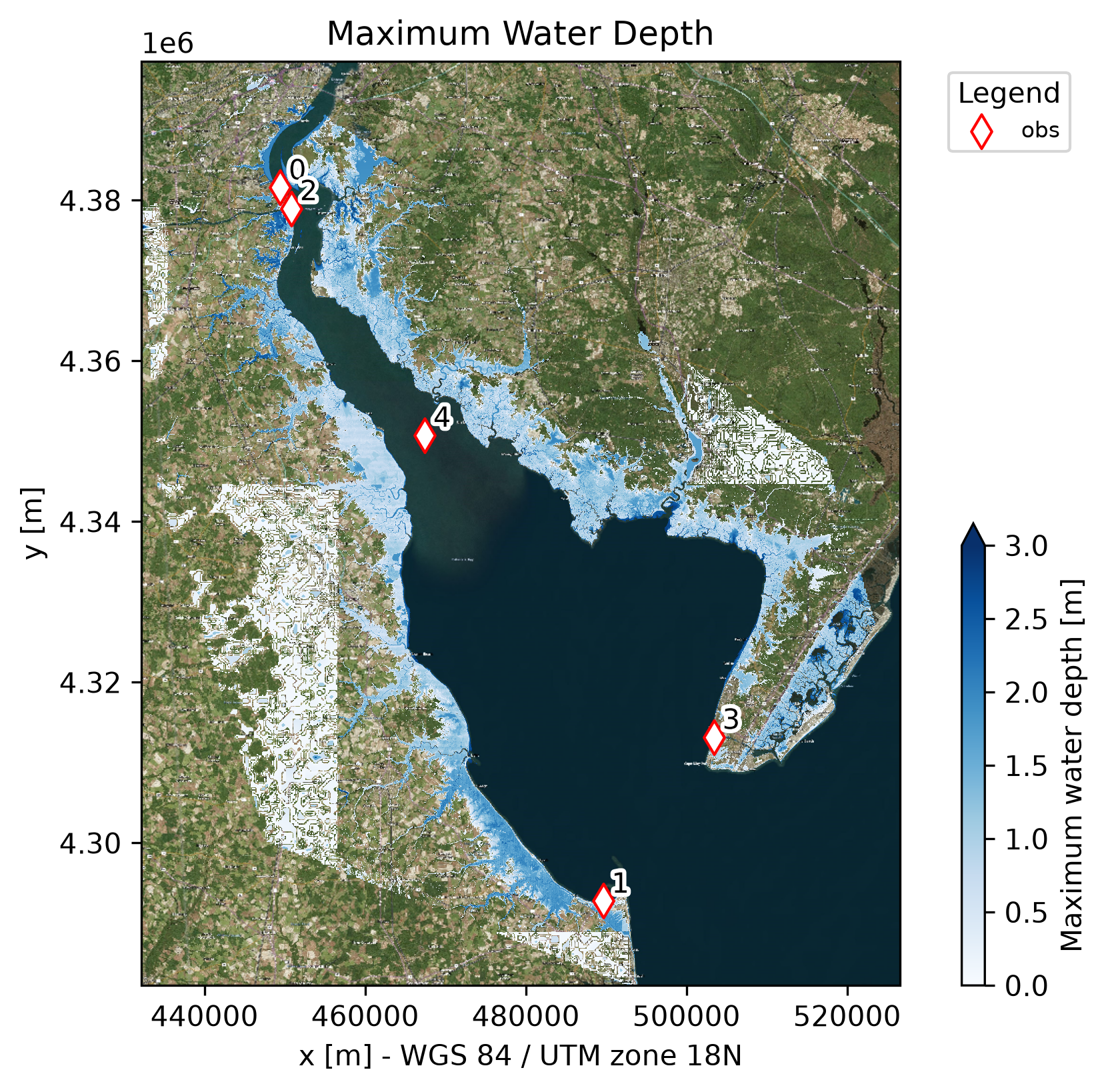
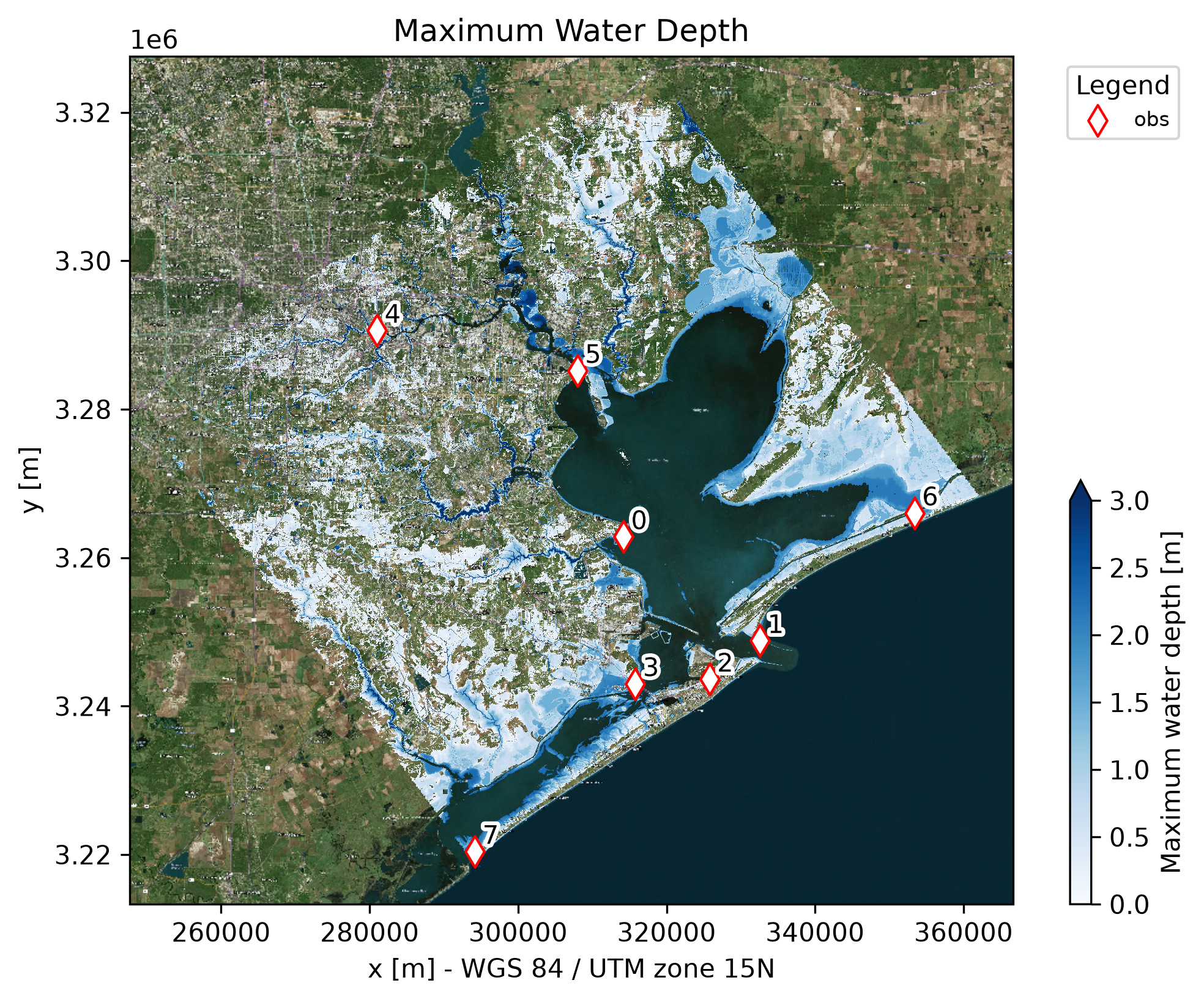
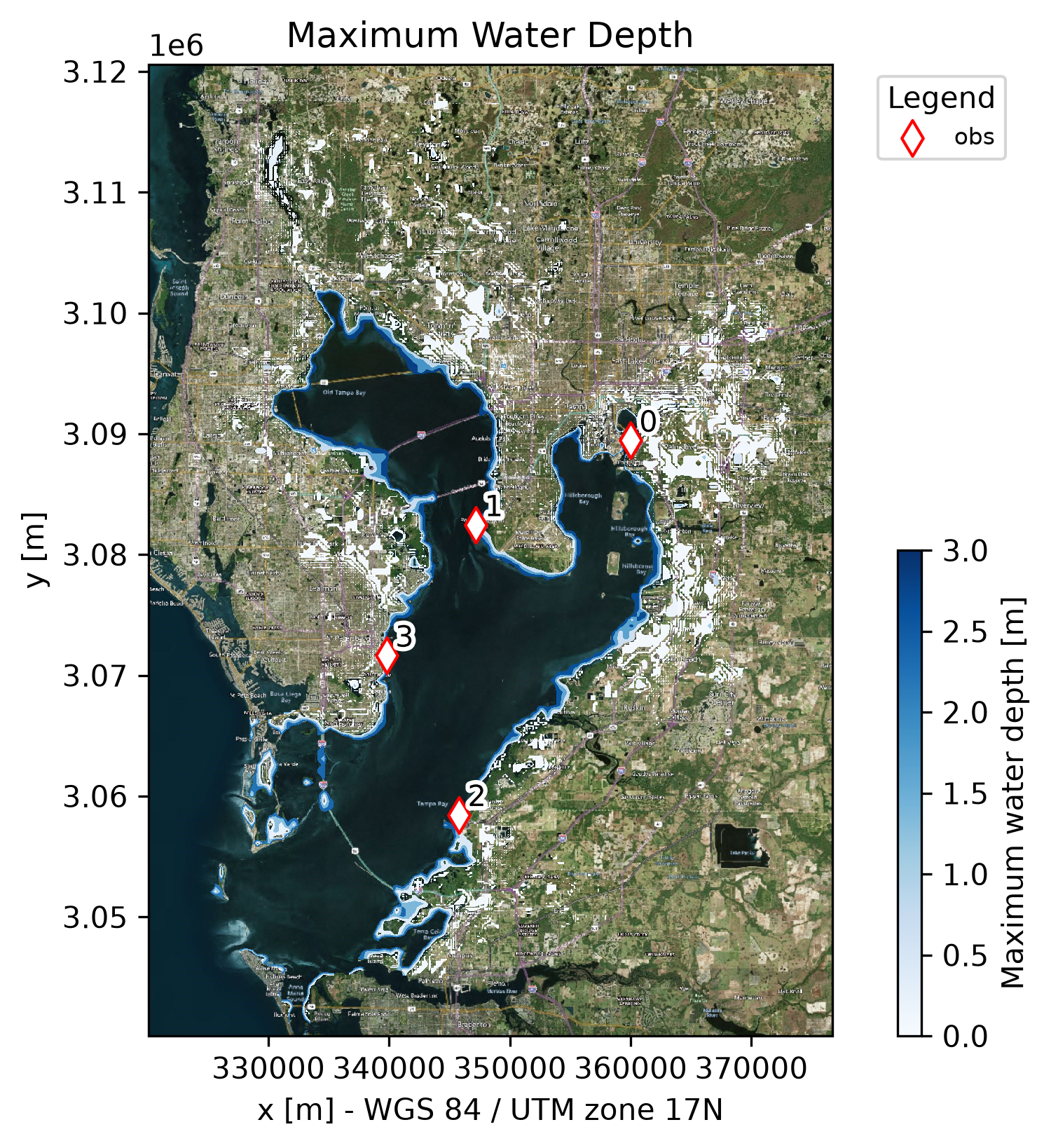
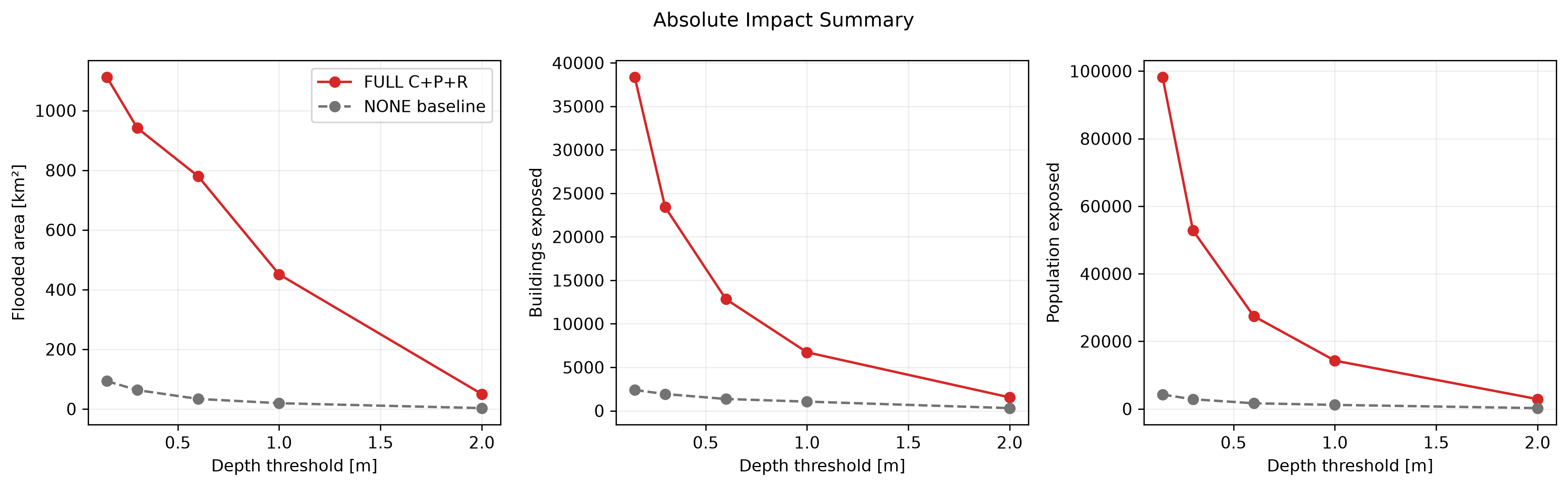
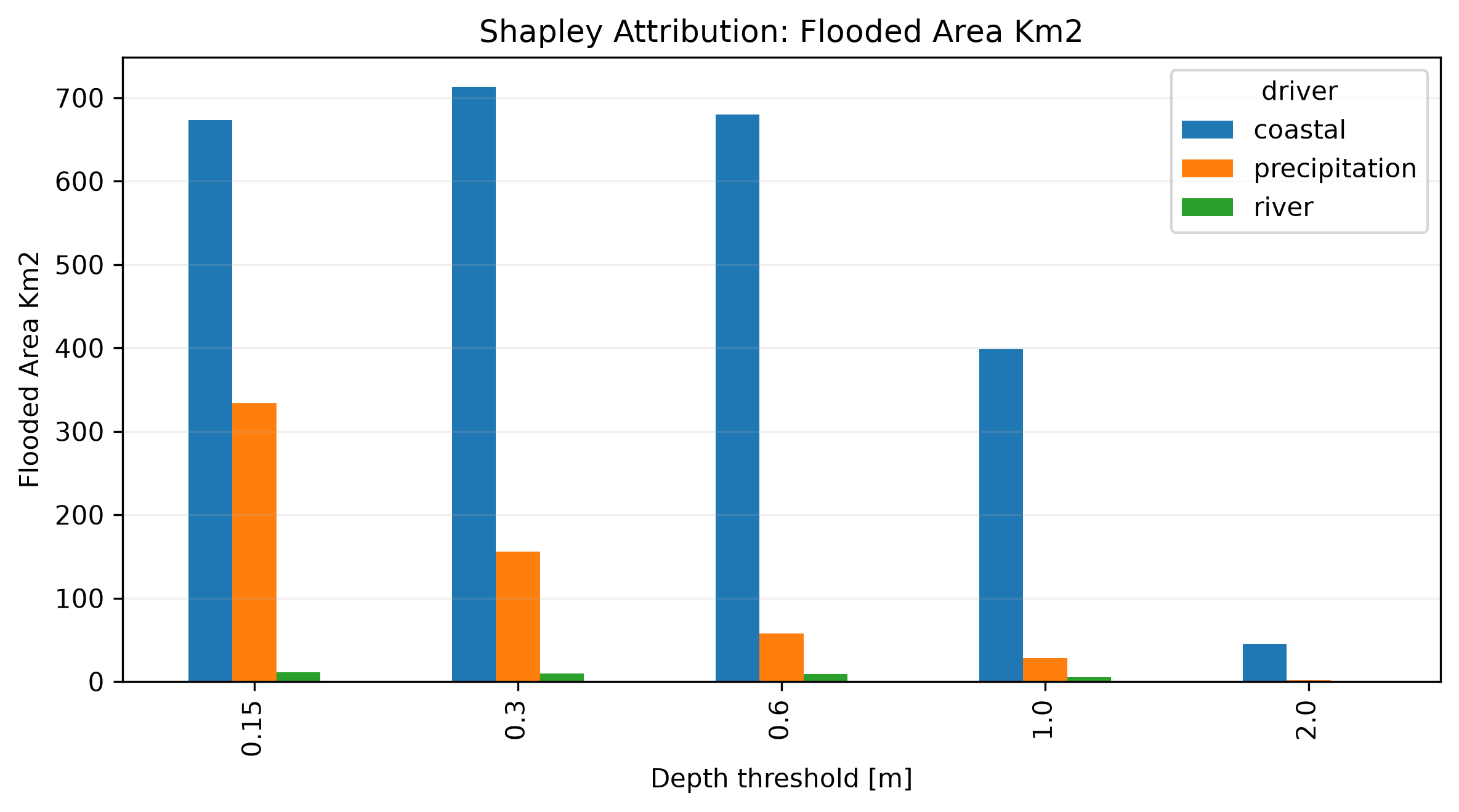
Maximum-depth flood maps and compound-flood attribution results produced through the AutoCF workflow. Open any figure to view it at full resolution.
About
The people who build and maintain AutoCF.
- Name
- Soheil Radfar
- Role
- Lead Software Developer; Hydroinformatics Software Engineer
- Affiliation
- Princeton University
- sradfar@princeton.edu
- Website
- sradfar.github.io
- Name
- Faezeh Maghsoodifar
- Role
- Scientific Software Architect; Model Integration & User Experience Engineer
- Affiliation
- The University of Alabama
- fmaghsoodifar@crimson.ua.edu
- Website
- faezehmaghsoodifar.com